


Zorluk: “Miyop” Robotiklerin Ötesinde
İnme, yalnızca ABD'de yılda 800.000"den fazla vaka ile uzun süreli sakatlığın önde gelen nedenlerinden biri olmaya devam etmektedir. Robot destekli rehabilitasyon, fizyoterapist eksikliğine ölçeklenebilir bir çözüm sunarken, nöroplastisite için kritik bir gereklilik "aktif çaba" dır. Tüm işi bir robot yaparsa, hasta pasif kalır ve motor öğrenme gerçekleşmez.
Profesör Damiano Zanotto ve Stevens Teknoloji Enstitüsü'ndeki ekibi, Takviyeli Öğrenme (RL) kullanarak "akıllı" bir robotik sistem geliştirerek bunu çözmeye çalıştı. Bir kontrolörün hastanın ihtiyaçlarını gerçek zamanlı olarak "öğrenebileceğini" ve yalnızca gerektiğinde destek sunabileceğini (İhtiyaç Duyulduğunda Yardım) ve mümkün olduğunda çaba göstermeye zorlayabileceğini varsaydılar.

Engeller: Teori ve Donanım Arasındaki Uçurum
Teorik bir kontrol algoritmasından fiziksel bir makineye geçiş, teknik ve finansal olmak üzere iki farklı engelle karşılaşmaktadır.
- Teknik Gecikme: Geleneksel "miyop" kontrolörler reaktiftir ve yalnızca bir hata oluştuktan sonra ayarlama yapar. Stevens Enstitüsü ekibinin "Müfredat Öğrenimi" yapabilen bir sisteme ihtiyacı vardı - sinir ağı çıktılarını işlemek ve hastayı optimum öğrenme bölgesinde tutmak için motor torkunu anında (1 kHz'de) ayarlamak.
- Akademik Kısıtlama: Yeni bir teoriyi doğrulamak için yüksek performanslı, endüstriyel sınıf bileşenler gerekir. Ancak akademik bütçeler sıklıkla zorlanmaktadır. Araştırmacılar genellikle zor bir ödünleşimle karşı karşıya kalırlar: maliyetten tasarruf etmek için donanım performansından ödün vermek, potansiyel olarak sonuçlarını geçersiz kılmak veya finansman yetersizliği nedeniyle projeyi durdurmak.
Çözüm: İnovasyon için Ortaklık
Ekip, teori ve pratik arasındaki boşluğu doldurmak için ADVANCED Motion Controls Üniversite Sosyal Yardım Programı.
Profesör Zanotto ve Stevens Teknoloji Enstitüsü daha önce de AMC'nin Üniversite Sosyal Yardım Programı ile birkaç yıl önce dokunsal bir joystick projesi için çalışmıştı. Dolayısıyla bu projede bir servo sürücüye ihtiyaç duyulduğunda Profesör Zanotto kimi arayacağını çok iyi biliyordu.
Projenin tıp camiasına sağlayacağı potansiyel katkının farkında olan AMC, bağışta bulundu DZEANTU-020B200 dijital servo sürücüler laboratuvara taşıdı. Bu ortaklık, ekibe engelleyici maliyetler olmaksızın endüstriyel sınıf donanım sağlayarak tedarik sınırlamaları yerine mühendislik mücadelesine odaklanmalarına olanak tanıdı.
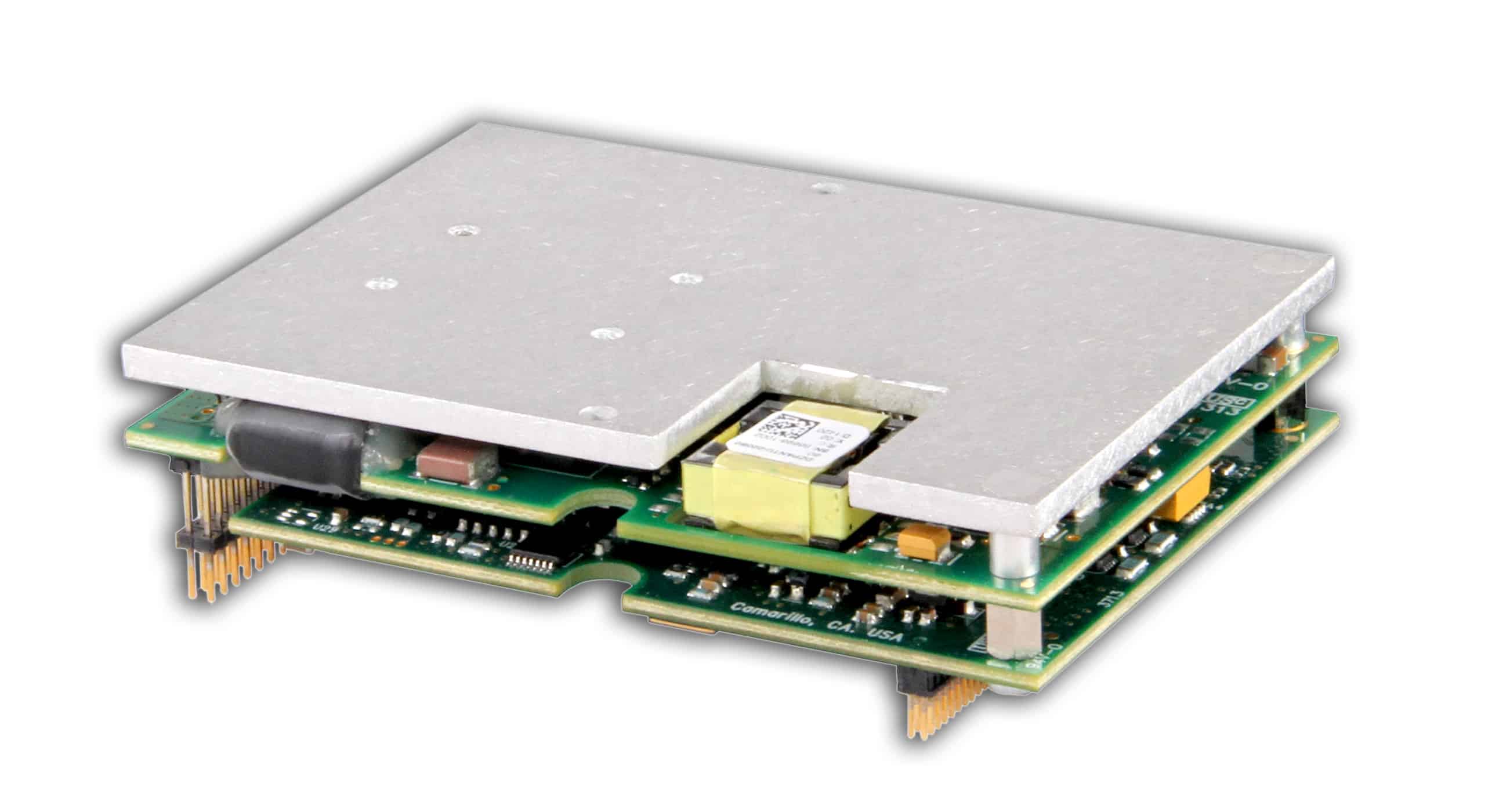
Donanım Avantajı:
DZEANTU sürücüleri özel bir Kablo Tahrikli Paralel Robot'a (CDPR) entegre edildi.

- Yüksek Hızlı İletişim: Sürücüler gerçek zamanlı hedef makine ile şu yollarla iletişim kurdu EtherCAT, RL algoritmalarının gerektirdiği kritik 1 kHz güncelleme hızına ulaşır.
- Hassas Kontrol: Dijital sürücüler, pürüzsüz, dokunsal kuvvetler oluşturmak için gerekli olan hassas akım döngüsü kontrolünü sağlayarak robotun terapistin doğal bir uzantısı gibi hissetmesini sağladı.
Sonuçlar: Onaylanmış Başarı
Mali yükün hafifletilmesi ve teknik gereksinimlerin karşılanmasıyla ekip, Reinforcement Learning Assist-as-Needed (RL-AAN) kontrolörünü başarıyla doğruladı. Çalışma, AMC destekli sistemle eğitilen kullanıcıların şunları gösterdiğini ortaya koydu:
- Azaltılmış Robot Bağımlılığı: Kullanıcılar geleneksel kontrolörlere kıyasla çok daha fazla aktif çaba sarf etmek zorunda kalmıştır.
- Üstün Elde Tutma: Kullanıcılar, robotik yardım kaldırıldıktan sonra bile daha iyi yörünge doğruluğunu korumuştur.
Bu araştırmacıların eline yüksek performanslı servo sürücüler vererek, ADVANCED Motion Controls, felçten kurtulmanın sınırlarını zorlayan bir projenin ayrılmaz bir parçası oldu.
Üniversite Sosyal Yardım Programı Hakkında
ADVANCED Motion Controls, 2004 yılından bu yana hareket kontrolünde eğitim sürecini ilerletmek için öğrenciler, araştırmacılar ve profesörlerle ortaklık yapmaktadır. Amacımız, teoriyi kanıtlarken pratiklik oluşturmanın mali yüklerini hafifletmektir.
İster bir yüksek lisans tezi, ister bir sınıf projesi veya bir laboratuvar yükseltmesi üzerinde çalışıyor olun, ekibinizin bekleyen bir parçası olmaktan gurur duyuyoruz. Biz teklif ediyoruz:
- Bağışlanan veya İndirimli Ekipman: Yeni servo sürücülerden "ücretsiz sürücüler listemizdeki" işlevselliğini yitirmiş ünitelere kadar."
- Teknik Destek: Özel uygulamanız için en iyi ürünü seçmenize yardımcı olacak mühendislik ekibimize doğrudan erişim.
- Gerçek Dünya Deneyimi: Geleceğin mühendislerinin ellerine endüstriyel düzeyde ekipman vermek.
Bir projeniz mi var? Bize görevinizden bahsedin.
Katkılar genellikle ABD kurumları veya ABD kurumlarını içeren uluslararası projelerle sınırlıdır.


